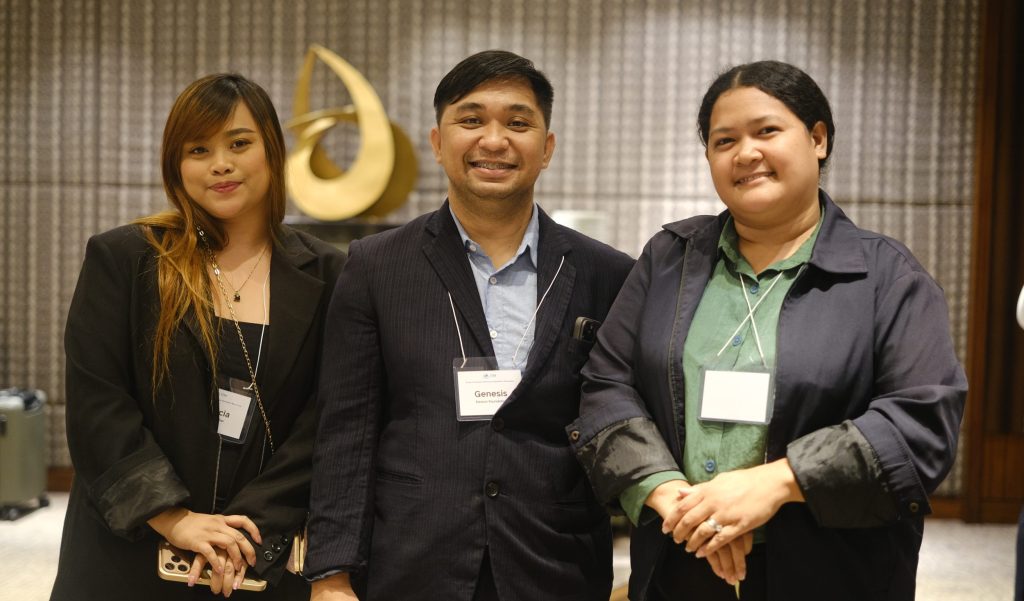

In September 2022, Eleison co-presented with colleagues from Healing and Resilience after Trauma (HaRT) the findings of our 2021 cultural adaptation of the HaRT program in the Philippines at the Sexual Violence Research Initiative (SVRI) Forum in Mexico. The SVRI Forum is the largest research and advocacy conference in the world focusing on violence against women, children, and other forms of gender-based violence (GBV).
HaRT is a 12-week group mental health program that incorporates mindfulness, mind-body practices, and supportive group discussions. The intervention consists of 12 weekly sessions which incorporate yoga poses, guided visualizations, breathwork, theme-based discussions, and interactive reflections. HaRT was first piloted in Uganda with women and girls who had experienced human trafficking. A 2020 mixed-methods evaluation in Uganda showed that participation in HaRT led to a reduction in symptoms of anxiety, depression, and post-traumatic stress disorder (PTSD) following HaRT.
At the SVRI Forum, the Eleison and HaRT team members presented “Adapting a mind-body intervention for survivors of human trafficking in Cebu, Philippines.” Intentional cultural adaptation was essential to effective implementation of HaRT in the Philippines and to ensuring that programming is not harmful. Our adaptation process targeted ensuring emotional safety, feasibility, and cultural resonance through five stages:
- Values alignment: Instilling a respectful, open partnership with a shared commitment to trauma-informed and feminist principles.
- Starting from within: Service providers in the Philippines were involved in a staff pilot of HaRT to deepen their understanding of the program and reflect on areas which required adaptation.
- Integrated learning: We gathered feedback using a structured form and two focus group discussions with participants from the staff pilot.
- Identifying areas for adaptation: From these findings and additional observations from team members, we highlighted core areas for adaptation.
- Revisions and finalization: Revisions for HaRT were identified, proposed, refined, and finalized during virtual meetings.
Our key adaptations for HaRT implementation in the Philippines, consisted of several changes:
- Adding a half-day orientation to allow potential HaRT participants to decide whether to join.
- Simplifying and streamlining the content of HaRT such as concretizing abstract ideas and removing yoga-based language.
- Adding facilitation guidance such as more scripting and consistency throughout sessions.
- Changing HaRT content to address concerns about unintended harms. For example, a key adaptation was changing the Month 3 theme from “Compassion in Action” to “Healthy Relationships” due to Filipino cultural norms surrounding sacrificing oneself for other people.
Our presentation and findings highlight the importance of intentional cultural adaptation which ensures that our work with HaRT is survivor-centered, trauma-informed, and culturally-sensitive.