The World Day Against Trafficking in Persons is observed on July 30th each year. It is dedicated to raising awareness about human trafficking and promoting and protecting the rights of survivors. This year, the global campaign focuses on ending one of the most heinous forms of this crime: child trafficking. Child trafficking is a grim reality affecting millions of children globally. According to the Global Report on Trafficking in Persons by the United Nations Office on Drugs and Crime, children are twice as likely to face violence during trafficking as adults. The causes of child trafficking are diverse, as are the ways children are exploited, and one of the fastest-growing forms of exploitation today is the online sexual abuse and exploitation of children (OSAEC).
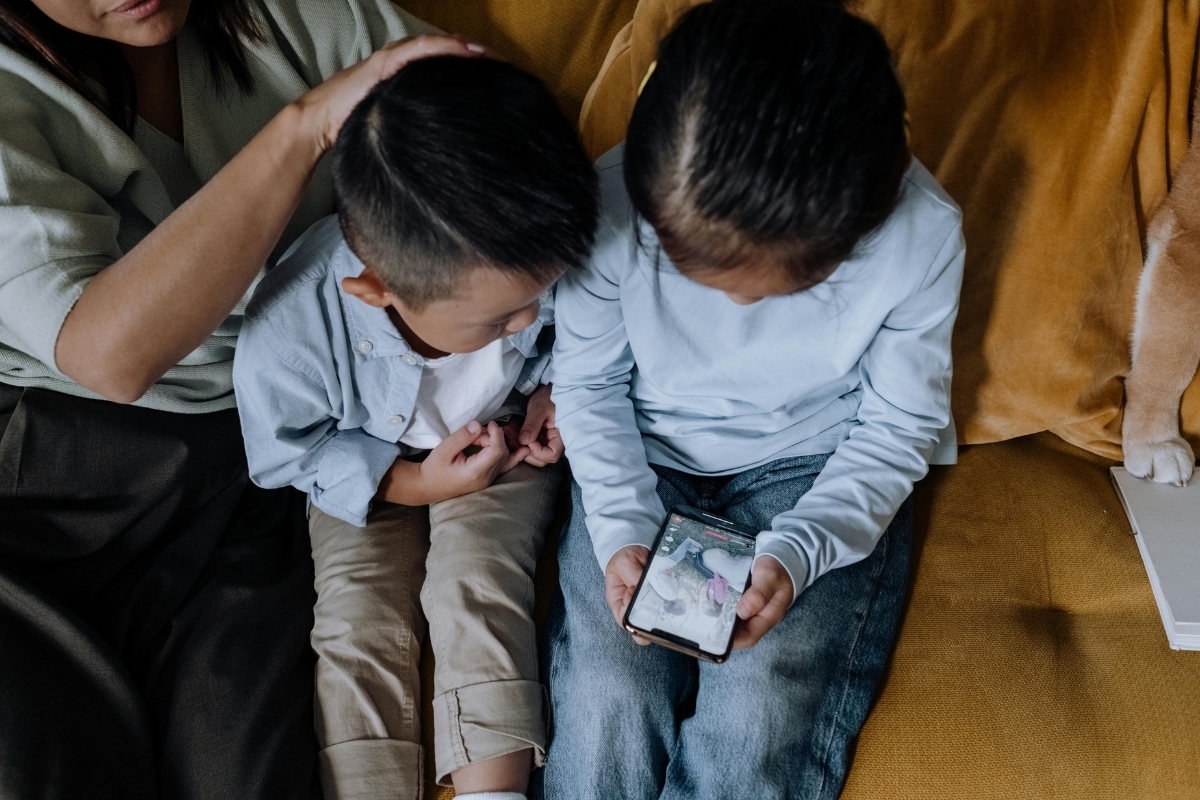
The digital age has brought about numerous advancements, but it has also provided new avenues for criminal activities, including OSAEC. OSAEC refers to any exploitative act carried out against a child using an electronic device or any medium that connects to the internet. This can include coercing a child into performing sexual acts in front of a webcam, grooming victims online, distributing, importing, exporting, or selling child sexual abuse or exploitation material (CSAEM), and knowingly accessing CSAEM online, even if the abuse depicted in the material was carried out offline.
In recent years, the Philippines has become a global hotspot for OSAEC, partly due to the country’s large English-speaking population, widespread access to technology and the internet, and the absence of clear social norms on reporting these crimes. UNICEF estimates that 8 out of 10 Filipino children are at risk of online sexual abuse, and for every 100 Filipino children, two to three have had their explicit photos or sexual activities distributed through cellphones or the internet. Despite the alarming statistics, the true extent of OSAEC is significantly underreported. Survivors often face fear, shame, and threats, leading to underreporting of this crime, making it challenging to understand its full scope. Furthermore, the rapid evolution of technology means that law enforcement agencies are frequently playing catch-up with perpetrators who exploit new and emerging digital platforms to abuse children.
The effective prevention of OSAEC requires a comprehensive approach involving legal, social, and technological strategies. Governments around the world should establish and enforce strong laws that criminalize all forms of OSAEC. International collaboration is crucial, as these crimes often transcend national borders, necessitating coordinated efforts among countries to track down and prosecute perpetrators. Technology companies and internet service providers have a critical role to play in detecting and preventing OSAEC. They can utilize advanced algorithms and AI-driven tools to identify and remove CSAEM from their platforms, while also reporting such activities to the relevant authorities. On the societal front, raising awareness about the risks and signs of OSAEC is essential, especially in schools. It’s important to educate parents, teachers, and children on safe internet practices to reduce the vulnerability of children to online predators. Community-based programs providing support and resources for at-risk families can also significantly contribute to preventing child trafficking and exploitation.
At Eleison, we are dedicated to creating a future where every child is free from exploitation and can grow up in safe and nurturing environments. On this World Day Against Trafficking in Persons, help us raise awareness about OSAEC and work towards ending this heinous crime. By strengthening protection systems, enhancing legislation, leveraging technology, and supporting survivors, we can make a difference in the lives of countless children worldwide, and ultimately #EndHumanTrafficking.